
Project Planning 101: From First Look to Final Send
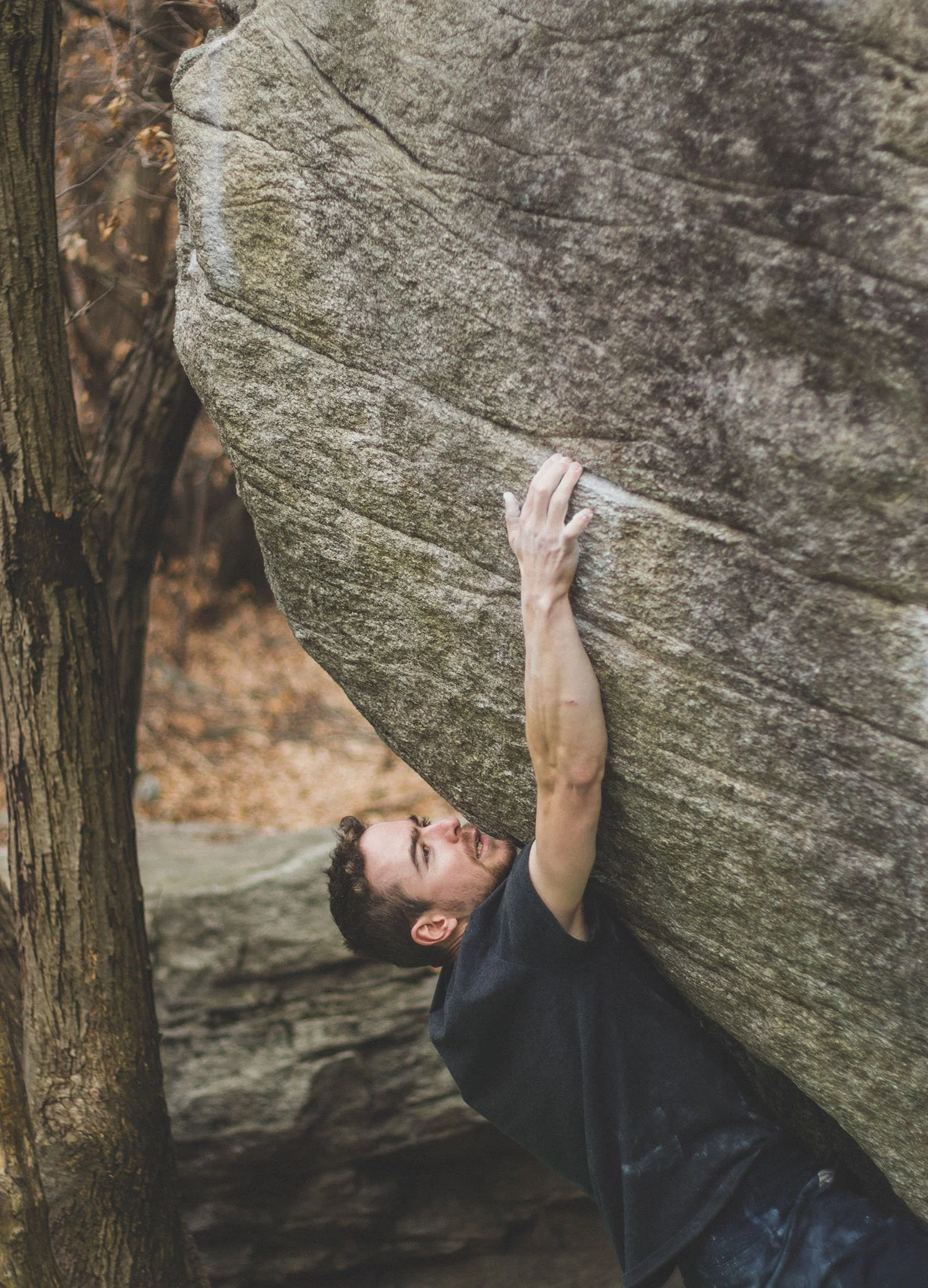
Projecting is undoubtedly one of my favourite things to experience in climbing. The feeling of seeing a climb go from virtually impossible to effortless is really something special. But I will admit to it being something I took a while to get into, and didn’t appreciate early in my climbing. A true project will feel desperate at first. I’m not talking about those climbs you can do most moves on the first time round, and climb 2 or 3 days later. I’m talking about those projects that really test you. The ones where the first 2 or 3 sessions might leave moves undone, and links only wishful thinking.
That first session feels like a mess. No structure, just flailing and struggling to make the connections. Some moves barely complete, transitions missing and a serious lack of confidence on a high topout or wild move. It feels almost like a non-starter. But something there encourages you to go back. Maybe it’s intrigue, or just a sheer desire to do the boulder?
So how do we take this climb from feeling like a concept, to standing on top? Let’s take a whistle stop tour through the process…
Steps
I think to take a step back, actually scouting projects before deciding on fully investing in one is important. Choose one that’s approachable, in condition more often and gives you the best chance to be able to try it. Picking some highly conditions dependent boulder with a 30 minute walk in that needs 6 pads and a spotter is not always the best idea, especially if you’re just getting started in projecting. But with that said, if it's the boulder that motivates you enough to go and try it, then press on!
Once you’ve decided on your project, deciding how to approach it is pretty important. When you’re at it, think about how you approach the working process. I always find getting the easier sections refined provides a good confidence boost, even if the crux still feels very tough. The easier you can make the other moves, the more you’ll believe you can climb them into something hard. But it’s also really about getting into the nuance of the hard section or move. This is where filming yourself and video analysis comes in. Be disciplined here and film as much as you can. Analyse the videos. Try and work out which attempts were closest and why. Compare these to videos of successful ascents of the boulder and see what you could be missing.
Links
Knowing what links to make on a boulder before going from the start is one of the trickiest decisions in the process. Unfortunately, it’s the one there’s no obvious answer to. There are many ways to do it, but ultimately it’s whatever gets the job done. A good rule of thumb is to have at least 2 overlapping parts done before you go from the start. If we’re talking top top end project though, that may not be enough, and a link from much lower down might be necessary. Build these up consistently, and try to bring some different links as a focus to your sessions.
Send Goes
Here’s where it’s just about showing up, clear mind and ready to try hard. Accept it might happen, it might not. Avoid phrases like ‘I just want to be done with it’, or ‘I can’t wait to move on from this thing’. Try and enjoy each session you’re having on the boulder, and ask yourself what you can learn from it. Maybe it’s learning to keep your expectations lower? Maybe it’s patience? But let the boulder teach you something. Warm up well, dial into the moves or links, and then give yourself those quality goes from the start. If you need to refine things, let that happen. Keep the filming going and ask yourself where you can speed up or rest better or move more efficiently. There’s always a percentage to be gained!
Lastly, I think it’s worth remembering that just because you have one project, it doesn’t mean a second one isn’t useful, especially across grades and styles. Find yourself an antistyle project a few grades below your limit and embrace
the challenge there. Don’t just hammer at a boulder for the grade. Conversely, I see far too many people float between projects and move on from them far too quickly. If you’re in on a boulder, make that effort count for something and persevere. Don’t lose the focus!
Get investing…
Eliot.